Sharing a meal has always been a simple way to connect, but in Sweden, there is a specific idea built around this act called bjudlunch. It goes beyond just eating together and carries a quiet social purpose rooted in trust and appreciation. Instead of formal invitations or grand dinners, bjudlunch focuses on something more relaxed and genuine. It reflects how small gestures can build stronger relationships over time. Understanding this concept gives a clearer view of how everyday interactions can carry deeper meaning.
What bjudlunch really means in everyday life
At its core, bjudlunch refers to inviting someone to lunch and paying for it as a gesture of goodwill. The word comes from the Swedish idea of offering or treating someone, combined with a simple midday meal. While the translation is straightforward, the intention behind bjudlunch is what makes it stand out. It is not about impressing the guest or organizing something elaborate. Instead, it creates a comfortable space where conversation flows naturally.
People use bjudlunch as a way to show appreciation without making it feel like a big event. It removes pressure from both sides and keeps the focus on the interaction rather than the setting. This makes it easier for people to open up and engage honestly. Over time, these small shared moments build stronger personal and professional bonds. That is why bjudlunch continues to hold value even in modern, fast-paced lifestyles.
The cultural roots behind bjudlunch in Sweden
Swedish culture is often described as reserved, where people value personal space and simplicity. In this environment, bjudlunch acts as a bridge that allows connection without overwhelming social expectations. It fits naturally into a culture that prefers balance and avoids unnecessary formality. Rather than hosting large gatherings, people lean toward smaller, meaningful interactions. This is where bjudlunch becomes a natural choice.
The idea also reflects a sense of equality, which is deeply rooted in Swedish society. A bjudlunch is usually casual, with no emphasis on status or hierarchy. Everyone sits together as equals, sharing food and conversation. This helps reduce social barriers and encourages open dialogue. Over time, this approach has shaped how people in Sweden build and maintain relationships.
When people typically arrange a bjudlunch
A bjudlunch can happen in many situations, both personal and professional. It is flexible and does not require a special occasion to take place. People often use it as a natural way to reconnect or express gratitude. Because it is simple, it fits easily into everyday routines.
Common situations where bjudlunch is used include:
- thanking a colleague for help or support
- catching up with a friend after a long time
- discussing ideas in a relaxed work setting
- welcoming someone new to a team or community
- celebrating small achievements without formality
These moments may seem small, but they carry lasting impact. A single bjudlunch can strengthen trust and improve communication in ways that formal meetings often fail to do. That is part of what makes this tradition so effective.
The role of food in a bjudlunch experience
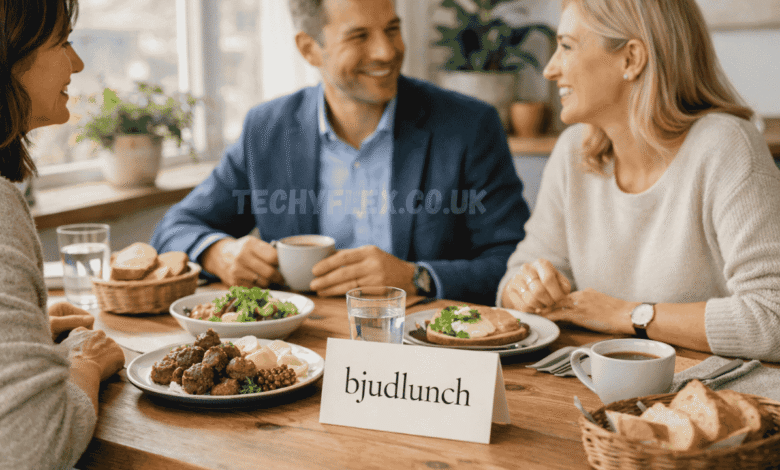
Food is part of bjudlunch, but it is not the main attraction. The focus stays on the shared experience rather than what is served on the table. Meals are usually simple, comforting, and easy to prepare or order. This keeps the atmosphere relaxed and avoids unnecessary effort or stress.
Typical food choices in a bjudlunch may include:
- traditional Swedish dishes like meatballs or gravlax
- light meals such as salads or sandwiches
- soups paired with bread
- coffee and pastries like cinnamon buns
The simplicity of the menu allows people to focus on conversation instead of presentation. There is no pressure to impress with expensive or complex dishes. This approach makes bjudlunch accessible to everyone, regardless of budget or cooking skills.
Why bjudlunch works better than formal meetings
There is a reason why many people prefer a bjudlunch over a structured meeting. The informal setting helps people relax, which leads to more honest and productive conversations. When people sit down to eat together, they naturally become more open and engaged. This creates a stronger sense of connection compared to sitting across a desk.
A bjudlunch also reduces the tension that often comes with formal environments. Without strict agendas or time pressure, discussions flow more naturally. This can lead to better ideas and clearer understanding between people. In professional settings, it often improves teamwork and collaboration. That is why many workplaces are starting to recognize the value of this simple approach.
The psychological side of sharing meals
Eating together has a strong psychological effect that goes beyond basic social interaction. When people share food, it creates a sense of trust and familiarity. This is one of the reasons why bjudlunch feels so effective without needing much effort. The act of eating lowers barriers and makes people feel more connected.
Research in social behavior has shown that shared meals can improve communication and cooperation. People tend to feel more comfortable expressing their thoughts in a relaxed setting. A bjudlunch naturally creates that environment without forcing it. Over time, repeated interactions like this build deeper relationships. This is why such a simple concept continues to hold lasting value.
How bjudlunch fits into modern life
Even with busy schedules and digital communication, bjudlunch remains relevant. In fact, it may be more important now than before. Many interactions today happen through screens, which often lack a personal touch. A simple lunch invitation brings back that human element.
In modern workplaces, bjudlunch is often used for networking and team building. It provides a break from routine and allows people to connect on a more personal level. Outside of work, it helps maintain friendships without requiring large commitments. This flexibility makes it easy to adapt the tradition to different lifestyles. That is why bjudlunch continues to evolve while keeping its original purpose intact.
How you can apply the idea of bjudlunch in your own life
You do not need to be in Sweden to practice the idea behind bjudlunch. The concept is simple enough to apply anywhere. It starts with the intention to connect rather than impress. Once that mindset is clear, the rest becomes easy.
Here are a few ways to bring bjudlunch into your routine:
- invite a colleague for a casual lunch instead of scheduling a formal meeting
- reconnect with a friend over a simple meal instead of long planning
- keep the setting relaxed and avoid overthinking the details
- focus on conversation rather than food presentation
- use it as a way to show appreciation without making it a big event
By keeping things simple, the experience stays genuine. This is what makes bjudlunch effective in building real connections.
Conclusion
Bjudlunch is a small idea with a lasting impact. It shows how a simple lunch invitation can create meaningful relationships without effort or formality. Rooted in Swedish culture, it reflects values like simplicity, equality, and genuine connection. Over time, it has proven to be more than just a social habit. It is a practical way to build trust in both personal and professional life.
In a world where interactions often feel rushed or distant, bjudlunch offers a straightforward alternative. It brings people together in a natural and comfortable way. By focusing on connection rather than presentation, it creates moments that matter. Adopting this approach does not require big changes, just a shift in intention. Sometimes, the simplest gestures leave the strongest impression.
FAQs
- What does bjudlunch mean in simple terms?
Bjudlunch means inviting someone to lunch and paying for it as a gesture of appreciation or connection. - Is bjudlunch only used in Sweden?
The term is Swedish, but the concept can be practiced anywhere as it focuses on simple social connection. - What kind of food is served during a bjudlunch?
Meals are usually simple, such as sandwiches, salads, soups, or traditional Swedish dishes. - Can bjudlunch be used in professional settings?
Yes, it is often used for networking, team bonding, and informal work discussions. - Why is bjudlunch important in modern life?
It helps people build genuine relationships in a time when many interactions are digital and less personal.