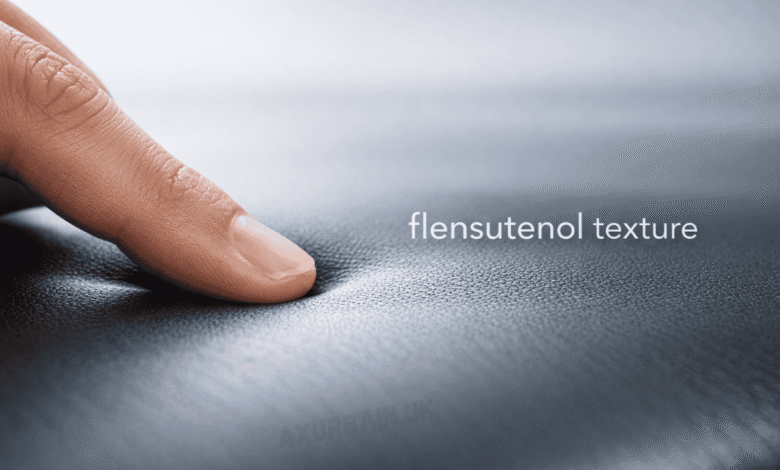
The term flensutenol texture has started appearing across design blogs, tech discussions, and content platforms, often described as a new kind of surface experience that blends softness with grip. At first glance, it sounds like a technical material already in use, but the reality is more nuanced. Flensutenol texture is better understood as a conceptual idea rather than a fully developed material. It represents a direction in how surfaces might feel and function in the future. This makes it an interesting topic for both creative writers and those exploring emerging design language.
what flensutenol texture actually means
Flensutenol texture refers to a surface quality that combines smoothness with controlled friction. The idea is to create something that feels soft to the touch while still offering enough grip for practical use. This balance is what makes flensutenol texture stand out from traditional materials that usually lean toward either slippery or rough. It is often described in simple comparisons, like silk mixed with a subtle rubber-like resistance. That contrast helps people visualize what flensutenol texture aims to achieve.
Another important aspect of flensutenol texture is its flexibility as a concept. It is not tied to one specific material or manufacturing method. Instead, it acts as a descriptive label for a certain tactile experience. Designers and writers use the term to imagine how surfaces could behave in a more refined and responsive way. This flexibility is part of why flensutenol texture keeps showing up in different industries and discussions.
the origin and rise of flensutenol texture as a concept
The rise of flensutenol texture is closely linked to online content culture and speculative design. It did not emerge from a formal scientific paper or a single invention. Instead, it spread through blogs, niche websites, and creative discussions about future materials. As more writers picked up the term, it started to gain a sense of legitimacy despite lacking a clear technical definition. This kind of organic growth is common with modern digital terminology.
Another reason flensutenol texture gained attention is the growing interest in sensory design. People are no longer satisfied with how things look alone; they care about how products feel in their hands. This shift has created space for ideas like flensutenol texture to take hold. Even if the term is not fully grounded in science, it reflects a real demand for better tactile experiences. That connection to user expectations gives the concept staying power.
key characteristics associated with flensutenol texture
When people describe flensutenol texture, they tend to highlight a consistent set of features. These characteristics define how the surface is expected to behave and feel. While the exact composition may vary, the sensory experience remains the core focus. Understanding these traits helps in writing a clear and believable explanation.
- a smooth surface that does not feel slippery
- a light grip that improves control without roughness
- flexibility that adapts to pressure or movement
- durability that resists wear over time
- a balanced tactile response between softness and resistance
These features make flensutenol texture appealing for both functional and aesthetic purposes. Instead of choosing between comfort and usability, the idea suggests a surface that delivers both. This is one of the main reasons why the concept keeps appearing in discussions about future materials. It aligns well with the direction many industries are already moving toward.
how flensutenol texture fits into modern material thinking
Flensutenol texture fits into a broader shift in how materials are designed and evaluated. In the past, materials were judged mainly on strength, cost, and appearance. Now, the feel of a surface plays a much bigger role in product development. This is especially true in industries where user interaction is constant. The concept of flensutenol texture reflects this change in priorities.
It also connects with advances in polymer science and composite materials. Even though flensutenol texture itself is not a defined material, similar tactile effects can be achieved through engineered surfaces. By combining different compounds, manufacturers can create textures that mimic the qualities described by the term. This makes flensutenol texture feel less like fiction and more like a preview of what is possible. The gap between idea and reality is not as wide as it might seem.
possible applications of flensutenol texture in different industries
The idea of flensutenol texture has been linked to several industries where touch matters. While these uses are mostly conceptual, they provide a useful framework for understanding its potential. Each application highlights a different aspect of the texture’s appeal. This variety also makes the topic more engaging for readers.
use in fashion and textiles
In fashion, flensutenol texture is imagined as a fabric that feels soft yet structured. Clothing made with this kind of surface could offer comfort without losing shape. Designers could use it to create garments that move naturally while still maintaining a clean look. This balance is often difficult to achieve with traditional fabrics. That is why flensutenol texture is an appealing concept in this space.
Another advantage in textiles is the potential for durability. A fabric inspired by flensutenol texture could resist wear while remaining pleasant to touch. This would be useful for everyday clothing as well as high-end designs. It also aligns with the demand for long-lasting materials. The idea fits well with both practical and aesthetic goals in fashion.
use in consumer technology
In tech products, flensutenol texture is often associated with improved grip and comfort. Devices like smartphones, controllers, and wearable gadgets could benefit from surfaces that are easy to hold without feeling sticky. This is where the balance between smoothness and friction becomes especially valuable. Users want control without discomfort. Flensutenol texture offers a way to describe that ideal.
There is also potential for enhancing user experience through touch. A device that feels better in the hand can create a stronger connection with the user. This might seem subtle, but it can influence how people perceive quality. As competition increases, these small details become more important. Flensutenol texture captures that shift in focus.
use in skincare and cosmetic products
The concept of flensutenol texture has also been applied to skincare and cosmetics. In this context, it refers to products that spread smoothly without leaving a greasy or heavy residue. This kind of texture is already valued in creams and lotions. The term simply gives it a more defined identity. It helps describe a feeling that many users look for.
Another benefit is the perception of quality. Products that match the idea of flensutenol texture often feel more refined and controlled. This can influence buying decisions and brand loyalty. Even though the term itself is not widely used in the industry, the qualities it represents are already in demand. That makes it a useful concept for content and marketing.
limitations and the reality behind flensutenol texture
It is important to address the limitations of flensutenol texture to keep the article grounded. The term does not refer to a specific, verified material used in manufacturing. Most of the information around it comes from interpretation and creative discussion. This means it should not be presented as an established scientific breakthrough. Treating it as a concept keeps the content accurate.
Another limitation is the lack of standardized definition. Different sources describe flensutenol texture in slightly different ways. While the core idea remains consistent, the details can vary. This can create confusion if not explained clearly. The best approach is to focus on the shared characteristics rather than fixed technical claims. That keeps the explanation both honest and useful.
why flensutenol texture continues to gain interest
Despite its unclear origins, flensutenol texture continues to attract attention. One reason is its ability to capture a specific sensory idea in a single phrase. Instead of long descriptions, the term offers a quick way to communicate a complex tactile experience. This makes it appealing for writers, designers, and marketers. It simplifies how people talk about texture.
Another reason is timing. As industries move toward more user-focused design, concepts like flensutenol texture feel relevant. People are paying more attention to how products interact with their senses. This creates space for new language and ideas. Even if the term evolves or changes, the demand behind it will remain. That is what keeps it in circulation.
conclusion
Flensutenol texture is not a traditional material you can point to in a lab or factory. It is a concept shaped by design thinking, user experience, and the growing importance of tactile quality. By describing a surface that balances smoothness with grip, it captures a direction that many industries are already exploring. While it should not be treated as a proven innovation, it still offers value as a way to understand where material design might be heading. The continued interest in flensutenol texture shows that people care about how things feel, not just how they look. That shift is likely to shape future products in meaningful ways.
faqs
- what is flensutenol texture in simple terms
flensutenol texture is a concept used to describe a surface that feels smooth but still provides a light grip for better control. - is flensutenol texture a real material
no, flensutenol texture is not a confirmed scientific material but a conceptual term used in design and content discussions. - where is flensutenol texture commonly used
it is often mentioned in fashion, technology, and skincare as a way to describe ideal surface qualities. - why is flensutenol texture becoming popular
it reflects the growing focus on how products feel, especially in user experience and modern design. - can flensutenol texture be created in real products
while the exact term is conceptual, similar textures can be achieved using advanced materials and surface engineering techniques.