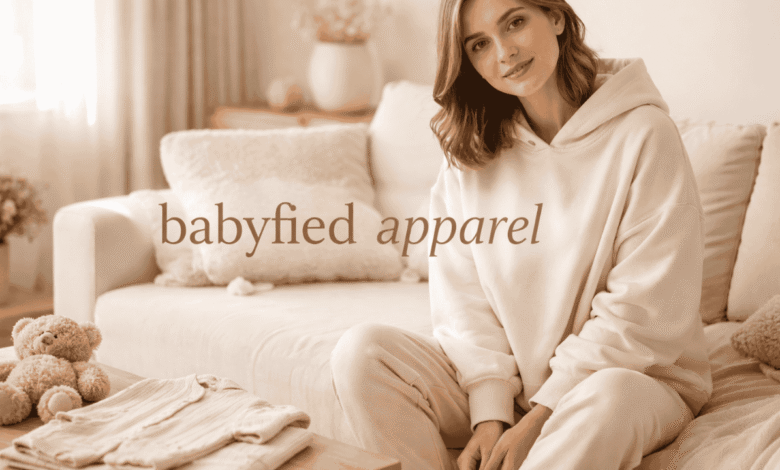
Fashion has always borrowed from unexpected places, but the rise of babyfied apparel shows a clear shift toward comfort, softness, and emotional design. What once belonged strictly to infant wardrobes is now influencing how adults dress, shop, and express themselves. This trend is not just about copying baby clothes; it reflects deeper cultural changes tied to comfort, nostalgia, and identity. From oversized silhouettes to pastel tones and plush fabrics, babyfied apparel is quietly becoming part of everyday fashion. The growing interest in this style is backed by both consumer behavior and a rapidly expanding baby clothing market.
what defines babyfied apparel in today’s fashion landscape
Babyfied apparel refers to clothing that adopts visual and physical elements commonly associated with babywear. This includes soft fabrics, rounded shapes, loose fits, and calming color palettes like beige, cream, and pastel shades. The goal is not imitation but reinterpretation, where adult clothing borrows emotional and sensory cues from baby clothing. Designers are increasingly using these elements to create pieces that feel comforting and approachable rather than structured and rigid. As a result, babyfied apparel blends functionality with emotional appeal in a way that resonates with modern consumers.
This trend also overlaps with existing fashion movements such as minimalism, loungewear, and gender-neutral clothing. The lines between babywear and adult wear are becoming less distinct, especially when comfort takes priority over formal aesthetics. People are no longer dressing only to impress others; they are dressing to feel good in their own skin. Babyfied apparel fits naturally into this shift by offering clothing that feels soft, safe, and familiar. It is a subtle but powerful change in how fashion communicates identity.
market growth behind babyfied apparel and baby clothing industry
The rise of babyfied apparel is closely connected to the steady growth of the global baby clothing market. In 2025, the baby apparel industry is valued at over 70 billion dollars and is projected to exceed 120 billion dollars by 2034. This consistent growth shows that demand for baby clothing is not only stable but expanding across different regions. As brands invest more in babywear innovation, design elements from this sector naturally spill over into adult fashion. Babyfied apparel benefits from this crossover by translating babywear features into wearable styles for older audiences.
Consumer spending patterns also play a key role in shaping this trend. Parents are now more willing to invest in high-quality fabrics, organic materials, and visually appealing designs for their children. These expectations influence broader fashion standards, pushing brands to adopt similar qualities in adult clothing. Babyfied apparel reflects this shift by prioritizing softness, safety, and aesthetics. The growing emphasis on comfort and quality is not limited to babies anymore; it is becoming a universal expectation.
consumer behavior driving the babyfied apparel trend
Changing consumer behavior is one of the strongest forces behind the rise of babyfied apparel. People are increasingly drawn to clothing that offers both physical comfort and emotional reassurance. This is especially true in a time when stress, digital overload, and fast-paced lifestyles dominate everyday life. Babyfied apparel provides a sense of calm through its textures, colors, and relaxed fits. It is not just about how clothes look but how they make the wearer feel.
Several key behavior patterns are shaping this trend:
- preference for soft, breathable fabrics like cotton and fleece
- increased demand for oversized and relaxed silhouettes
- shift toward neutral and pastel color palettes
- growing interest in gender-neutral clothing styles
- desire for clothing that feels personal and comforting
These preferences show that consumers are moving away from restrictive fashion norms. Babyfied apparel fits into this new mindset by offering clothing that aligns with emotional and physical needs. It reflects a broader cultural movement where comfort is no longer seen as a compromise but as a priority.
influence of mini-me fashion and family styling
One of the most visible drivers of babyfied apparel is the rise of mini-me fashion. Matching outfits between parents and children have gained significant popularity, especially through social media platforms. This trend has seen a dramatic increase in search interest, showing that people enjoy coordinated looks that reflect family identity. Babyfied apparel extends this idea by allowing adults to adopt elements of baby fashion in their own wardrobes. It creates a visual connection between generations through shared aesthetics.
Mini-me fashion is not limited to exact replicas of clothing. It often involves subtle similarities such as color coordination, fabric choices, or design details. Babyfied apparel takes inspiration from these shared elements and adapts them for everyday wear. This trend also highlights the emotional aspect of clothing, where fashion becomes a way to express relationships and connections. It is less about matching perfectly and more about feeling aligned.
rise of gender-neutral clothing and its connection to babyfied apparel
Gender-neutral clothing has become a major influence in both babywear and adult fashion. Baby clothing has traditionally relied on soft, neutral colors and simple designs, making it naturally aligned with gender-neutral principles. As this approach gains popularity, it is influencing how brands design clothing for all age groups. Babyfied apparel benefits from this shift by embracing simplicity and inclusivity. It removes the need for rigid categories and allows for more flexible styling.
The growth of gender-neutral clothing reflects a broader cultural shift toward individuality. People are less interested in following predefined fashion rules and more focused on expressing themselves authentically. Babyfied apparel supports this by offering designs that feel open and adaptable. It allows wearers to interpret styles in their own way without being limited by traditional labels. This freedom is a key reason why the trend continues to grow.
role of social media in popularizing babyfied apparel
Social media has played a major role in bringing babyfied apparel into the spotlight. Platforms filled with curated visuals have created a strong demand for aesthetically pleasing clothing. Baby outfits, often styled for photoshoots, have become a source of inspiration for broader fashion trends. The emphasis on soft tones, clean backgrounds, and cozy textures has influenced how people perceive style. Babyfied apparel translates these visual cues into wearable fashion for everyday life.
Influencers and content creators have also contributed to the spread of this trend. By sharing coordinated outfits, lifestyle content, and family moments, they highlight the appeal of soft and comforting aesthetics. Babyfied apparel fits perfectly into this visual culture, where clothing is designed to look good both in real life and on screen. The constant exposure to these visuals reinforces the desirability of the trend. It creates a cycle where inspiration and demand continue to grow together.
comfort-first fashion and the shift in design priorities
Comfort has become one of the most important factors in modern fashion, and babyfied apparel sits at the center of this shift. Traditional fashion often prioritized structure and form, sometimes at the expense of comfort. Today, the balance has changed, with consumers expecting clothing to feel as good as it looks. Babyfied apparel meets this expectation by focusing on soft materials, flexible fits, and easy wearability. It reflects a new standard where comfort is not optional.
This shift has influenced multiple areas of fashion, including:
- loungewear becoming suitable for public settings
- relaxed tailoring replacing rigid silhouettes
- increased use of natural and breathable fabrics
- focus on functionality alongside aesthetics
Babyfied apparel aligns with all these changes by offering designs that feel effortless and practical. It shows that fashion can be both comfortable and visually appealing without compromise. This balance is what makes the trend sustainable in the long term.
psychological factors behind the appeal of babyfied apparel
The popularity of babyfied apparel is not only about design but also about psychology. Clothing that resembles babywear often evokes feelings of safety, warmth, and nostalgia. These emotional responses play a significant role in purchasing decisions, even if people are not fully aware of it. Babyfied apparel taps into these feelings by creating a sense of familiarity and comfort. It offers a subtle escape from the pressures of everyday life.
Nostalgia is one of the strongest drivers behind this trend. People often associate childhood with simplicity and care-free living, and babyfied apparel brings a small part of that feeling into adulthood. It is not about returning to the past but about recreating a sense of ease in the present. This emotional connection makes the trend more than just a passing phase. It gives babyfied apparel a deeper meaning that goes beyond appearance.
future outlook for babyfied apparel in global fashion
The future of babyfied apparel looks promising as it continues to align with evolving consumer values. As the baby clothing market grows and influences other segments, this trend is likely to expand further. Brands are already experimenting with new materials, designs, and marketing strategies that incorporate baby-inspired elements. Babyfied apparel is expected to become more refined and diverse over time. It may move beyond casual wear into more structured and formal categories.
Sustainability will also play a role in shaping the future of this trend. Since baby clothing often emphasizes safe and natural materials, these principles can influence adult fashion as well. Babyfied apparel has the potential to support more responsible production practices. It encourages the use of fabrics that are gentle on both the skin and the environment. This alignment with sustainability adds another layer of relevance to the trend.
conclusion
Babyfied apparel is not just a fashion trend; it is a reflection of changing priorities in how people dress and express themselves. It combines comfort, emotion, and design in a way that feels natural and relevant to modern life. Backed by a growing baby clothing market and shifting consumer behavior, this trend has a strong foundation. Babyfied apparel shows how fashion can evolve by borrowing from unexpected sources and adapting them to new contexts. As comfort and emotional connection continue to shape fashion, this style is likely to remain a meaningful part of the industry.
faqs
- what is babyfied apparel in simple terms
Babyfied apparel refers to clothing inspired by babywear features such as soft fabrics, loose fits, and pastel colors, adapted for older age groups. - why is babyfied apparel becoming popular
It is gaining popularity due to increased demand for comfort, emotional connection, and influence from social media and baby fashion trends. - is babyfied apparel only for adults
No, babyfied apparel includes both children’s and adult clothing, especially styles that overlap between the two. - how is babyfied apparel different from regular fashion
It focuses more on softness, comfort, and emotional appeal rather than structure, formality, or sharp styling. - will babyfied apparel remain a long-term trend
Given its connection to comfort and consumer behavior, babyfied apparel has strong potential to remain relevant in future fashion trends.