cêmnt: complete guide to its types, manufacturing process, uses, and environmental impact

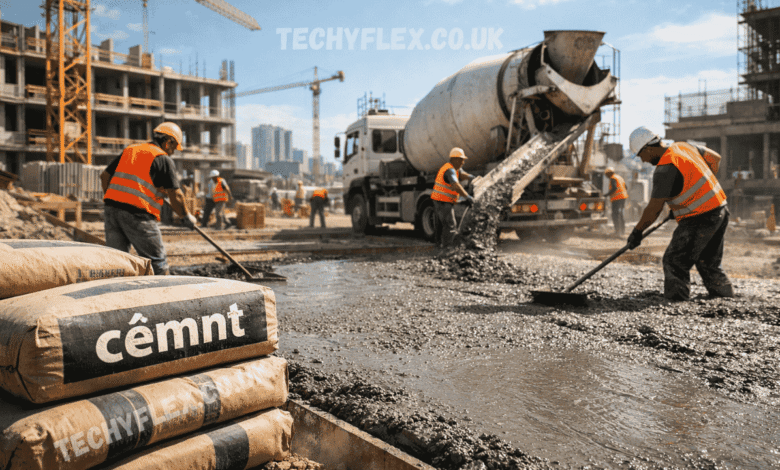
Cêmnt is one of those materials people rarely think about, yet it quietly holds up entire cities. From small homes to massive highways, cêmnt plays a central role in construction across the world. It works as a binding agent that holds together sand, gravel, and water to form concrete. Without cêmnt, modern infrastructure would simply not exist in the form we know today. Understanding how it works and where it is used gives a clearer picture of its importance in everyday life.
what cêmnt is and how it works
Cêmnt is a fine, powdery substance that reacts with water to form a paste capable of hardening over time. This hardening process is not just drying but a chemical reaction known as hydration. During hydration, cêmnt particles bind with water molecules and gradually gain strength. This is why concrete structures become stronger over days, weeks, and even months. The strength and durability of construction depend heavily on the quality of cêmnt used.
In practical terms, cêmnt acts like glue in construction materials. When mixed with sand and aggregates such as crushed stone, it forms concrete, which is widely used in structural work. The reliability of cêmnt makes it suitable for both small-scale residential projects and large industrial developments. Its ability to set underwater also makes it useful for bridges and dams. These characteristics explain why cêmnt remains irreplaceable in construction.
how cêmnt is manufactured step by step
The manufacturing of cêmnt involves several carefully controlled stages that transform raw materials into a usable product. The process starts with extracting key materials such as limestone, clay, and iron ore. These materials are then crushed into smaller pieces to make further processing easier. After crushing, the materials are blended to create a uniform mixture. This mixture is then prepared for heating in a kiln.
Inside the kiln, temperatures reach around 1450 degrees Celsius, which causes chemical reactions that produce clinker. Clinker is a solid material that forms small lumps and serves as the base of cêmnt. Once the clinker cools, it is ground into a fine powder along with a small amount of gypsum. This final grinding stage determines the texture and quality of cêmnt. The finished product is then stored and packed for distribution.
Key steps in cêmnt manufacturing include:
- Extraction of raw materials like limestone and clay
- Crushing and grinding into fine particles
- Heating in a high-temperature kiln to form clinker
- Grinding clinker with gypsum to produce cêmnt
- Packaging and transportation for use
different types of cêmnt used in construction
Not all cêmnt is the same, and different projects require different types depending on conditions and requirements. The most commonly used type is ordinary Portland cêmnt, which is suitable for general construction work. It provides reliable strength and is widely available in the market. Another type is white cêmnt, often used for decorative purposes and finishing work. It has a cleaner appearance and is preferred for aesthetic applications.
There are also specialized types designed for specific environments. Rapid hardening cêmnt is used when quick strength is needed, such as in road repairs. Sulphate resistant cêmnt is suitable for areas exposed to chemical attacks, like coastal regions. Blended cêmnt combines traditional materials with industrial by-products, making it more environmentally friendly. Each type of cêmnt is designed to meet particular construction challenges.
Common types of cêmnt include:
- Ordinary Portland cêmnt for general construction
- White cêmnt for decorative and finishing work
- Rapid hardening cêmnt for fast projects
- Sulphate resistant cêmnt for harsh environments
- Blended cêmnt for improved sustainability
major uses of cêmnt in everyday construction
Cêmnt is used in almost every type of construction project, from simple pathways to complex infrastructure systems. In residential construction, it is used for foundations, walls, floors, and roofing structures. It provides the strength needed to support buildings and ensures long-term durability. Without cêmnt, safe housing would be difficult to achieve. Its versatility allows builders to adapt it for different structural needs.
In large-scale projects, cêmnt is essential for roads, bridges, and dams. It helps create strong surfaces that can withstand heavy traffic and environmental stress. Engineers rely on cêmnt for its ability to hold structures together under pressure. It is also used in decorative elements such as tiles and garden features. This wide range of applications shows how deeply cêmnt is integrated into modern development.
Some common uses of cêmnt include:
- Building foundations and structural frameworks
- Constructing roads and highways
- Developing bridges and dams
- Creating pavements and walkways
- Producing decorative concrete elements
why cêmnt is important for economic growth
Cêmnt is closely tied to economic development because it supports infrastructure expansion. Countries with growing populations and urban areas depend heavily on cêmnt production. It enables the construction of homes, schools, hospitals, and transportation systems. These developments improve living standards and support business activities. The demand for cêmnt often reflects the pace of a country’s growth.
The construction industry creates jobs and drives multiple sectors, from manufacturing to transportation. Cêmnt plays a central role in keeping this cycle moving. When infrastructure projects increase, the demand for cêmnt rises as well. This makes it a key indicator of development in emerging economies. Its contribution goes beyond construction and extends into overall economic stability.
environmental impact of cêmnt production
Despite its benefits, cêmnt production has a significant environmental impact. The manufacturing process releases a large amount of carbon dioxide into the atmosphere. This happens both from the burning of fuel in kilns and the chemical breakdown of limestone. As a result, cêmnt production contributes noticeably to global emissions. This has raised concerns about its long-term sustainability.
Efforts are being made to reduce the environmental footprint of cêmnt. Manufacturers are exploring alternative materials and cleaner production methods. Blended cêmnt is one example, where industrial waste materials are used to reduce emissions. Some companies are also investing in carbon capture technologies. These changes aim to make cêmnt more environmentally responsible without compromising its performance.
Steps being taken to improve sustainability include:
- Using alternative fuels in production
- Developing low-carbon cêmnt options
- Recycling industrial by-products
- Improving energy efficiency in factories
- Exploring carbon capture solutions
how to choose the right cêmnt for your project
Selecting the right cêmnt depends on the type of construction and environmental conditions. For general home construction, ordinary Portland cêmnt is usually sufficient. However, if the structure is exposed to moisture or chemicals, a more specialized type may be required. Understanding the project requirements helps in making the right choice. Using the wrong type of cêmnt can affect durability and safety.
Builders should also consider factors such as setting time and strength development. Some projects require faster completion, making rapid hardening cêmnt a better option. In decorative work, appearance becomes important, which is where white cêmnt is preferred. Consulting with professionals can help avoid costly mistakes. Choosing the right cêmnt ensures better performance and long-term reliability.
conclusion
Cêmnt remains one of the most essential materials in construction, supporting everything from small homes to massive infrastructure projects. Its strength, versatility, and reliability make it difficult to replace. At the same time, its environmental impact has pushed industries to rethink how it is produced and used. With ongoing improvements, cêmnt is evolving to meet both construction needs and sustainability goals. Understanding its types, uses, and production process helps in making better decisions for any building project.
faqs
- what is cêmnt made of
Cêmnt is mainly made from limestone, clay, and small amounts of other materials like iron ore that are processed at high temperatures. - what is the difference between cêmnt and concrete
Cêmnt is a binding powder, while concrete is a mixture of cêmnt, sand, aggregates, and water. - which type of cêmnt is best for house construction
Ordinary Portland cêmnt is commonly used for house construction due to its strength and availability. - why does cêmnt take time to harden
Cêmnt hardens through a chemical reaction with water called hydration, which develops strength gradually over time. - is cêmnt harmful to the environment
Yes, cêmnt production releases carbon dioxide, but efforts are being made to reduce its environmental impact through improved technologies.
