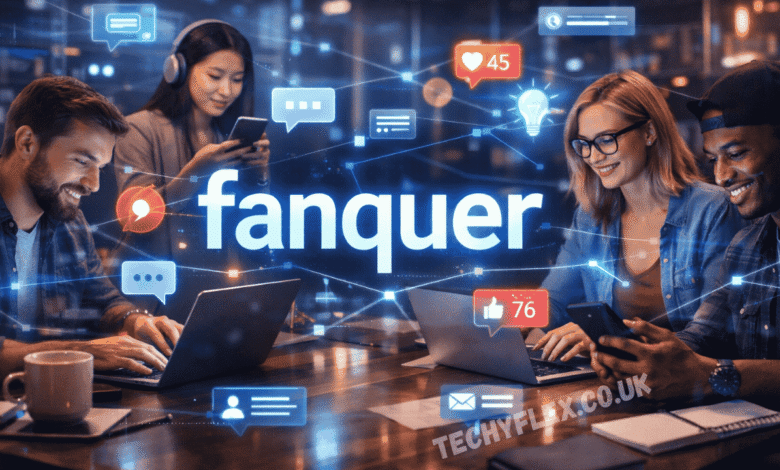
The internet produces new ideas and expressions almost every day, but only a few capture attention across communities. One of those emerging terms is fanquer. People searching for this word often discover that it does not come from a traditional dictionary or academic definition. Instead, fanquer appears in discussions about online communities, participation, and the changing relationship between creators and audiences. As digital culture evolves, terms like fanquer help describe how people interact, contribute, and build identities in online spaces.
The interest in fanquer also reflects a broader shift happening across the internet. Online users no longer want to remain passive readers or viewers. They want to take part in discussions, influence content, and become part of communities. Because of that shift, the concept of fanquer has started to represent participation-driven engagement in digital environments. Understanding what fanquer represents can help bloggers, marketers, and creators recognize how modern communities function.
the basic meaning behind fanquer
Fanquer is often described as a concept that represents active participation within digital communities. Rather than simply following content, users contribute ideas, discussions, and feedback. The term captures the shift from passive consumption toward active engagement. In this sense, fanquer reflects how online communities operate today.
Many internet users associate fanquer with involvement and collaboration. For example, people commenting on posts, suggesting ideas, or helping shape projects all represent forms of engagement connected to the idea of fanquer. The term has become a way to describe the dynamic relationship between creators and their audiences. Instead of one-way communication, fanquer focuses on two-way interaction.
Another reason fanquer attracts attention is its flexibility. It can represent participation, digital identity, branding, or community collaboration depending on the context. That open meaning allows writers and creators to shape the idea around modern internet culture. As more discussions appear online, the meaning of fanquer continues to grow.
how fanquer reflects modern online participation
Online communities today look very different from those that existed a decade ago. Platforms encourage discussion, collaboration, and user-driven contributions. This environment makes the concept of fanquer more relevant because it highlights the role users play in shaping content and communities.
In the past, audiences mostly consumed information created by others. Now, users influence what creators produce and how communities evolve. Fanquer describes this new environment where people actively participate instead of simply observing. The term captures the energy of communities where discussions, feedback, and contributions drive growth.
Several common activities represent the idea of fanquer in digital spaces:
- commenting on articles or videos
- sharing opinions and feedback
- voting on ideas or community decisions
- contributing suggestions for future content
- participating in discussions within online groups
Each of these actions demonstrates how audiences now take part in shaping digital experiences. Fanquer therefore represents the mindset of participation that defines modern online culture.
the connection between fanquer and digital identity
Another way people interpret fanquer is through the idea of digital identity. On the internet, individuals often create unique personas that represent their interests, creativity, or values. The concept of fanquer can describe this identity-building process within online communities.
Digital identities allow users to express themselves beyond traditional boundaries. People can build reputations through contributions, discussions, and creative participation. Within this context, fanquer becomes a symbol of active presence rather than passive browsing. It reflects how individuals shape their own role inside communities.
For bloggers and creators, this perspective also highlights the importance of authenticity. When audiences feel connected to a community identity, they are more likely to participate regularly. Fanquer therefore represents both the personal and social aspects of digital engagement. It shows how identity and interaction often develop together in online environments.
why fanquer is gaining attention in online discussions
Search interest around fanquer has increased because people are curious about emerging internet concepts. The word stands out because it is not tied to a single platform or technology. Instead, it reflects a broader cultural shift in how people interact online.
One reason fanquer attracts attention is its connection to participation-driven communities. Many digital platforms now rely heavily on user engagement to remain active. As a result, conversations about fanquer often appear in discussions about community growth and interaction. The concept helps explain why engaged communities are more valuable than passive audiences.
Another factor is the branding potential behind the word. Because fanquer is uncommon, it offers opportunities for creative identity and niche positioning. Websites and digital creators sometimes explore new terms like this to build unique recognition online. That possibility makes the keyword interesting for bloggers and digital marketers.
Several factors contribute to the growing curiosity around fanquer:
- the rise of community-based platforms
- increasing focus on user interaction
- interest in unique digital branding
- evolving creator and audience relationships
These elements show why the idea of fanquer continues to appear in online discussions.
fanquer and the changing creator audience relationship
The relationship between creators and audiences has changed dramatically over the past decade. Earlier forms of media relied on one-way communication where creators produced content and audiences consumed it. Today, communities expect interaction, feedback opportunities, and collaborative involvement. Fanquer represents this shift toward deeper engagement.
Creators now rely on their audiences not only for support but also for ideas and inspiration. Communities often suggest topics, vote on projects, or help improve content. This collaborative environment makes audiences feel more invested in the success of the creator. Fanquer captures this sense of shared ownership within digital communities.
For example, many creators encourage community input in several ways:
- asking followers for topic suggestions
- hosting discussions around new projects
- allowing community votes on creative decisions
- inviting feedback on content improvements
These practices strengthen the connection between creators and their audiences. The concept of fanquer highlights the importance of these interactions in modern digital culture.
the marketing perspective behind fanquer
From a marketing perspective, fanquer represents a powerful approach to audience engagement. Businesses increasingly recognize that active communities provide more value than passive followers. When people participate in discussions and share ideas, they develop stronger loyalty to a brand or creator.
Fanquer emphasizes the importance of building communities where users feel involved. This strategy often leads to higher engagement levels and stronger relationships. Instead of focusing only on promotion, brands encourage participation and conversation. That shift reflects the marketing potential behind the concept of fanquer.
Several marketing strategies align with the idea of fanquer:
- encouraging community discussions around products
- asking users for feedback and suggestions
- highlighting community contributions
- creating interactive campaigns or polls
These strategies transform audiences into participants. Fanquer therefore represents a marketing mindset centered on collaboration rather than simple advertising.
how bloggers can use fanquer as a content topic
For bloggers, fanquer offers an interesting subject because it connects multiple areas of digital culture. Writers can explore topics related to online communities, digital identity, or engagement strategies. Since the word is still emerging, there is room for interpretation and discussion.
Articles about fanquer can also examine how participation shapes the internet. Readers often enjoy learning about new trends that influence online behavior. By explaining how communities evolve and interact, bloggers can provide valuable insights to their audience. The concept of fanquer fits well within these discussions.
Blog content related to fanquer might include topics such as:
- how online communities encourage participation
- the importance of engagement in digital platforms
- the rise of collaborative content creation
- strategies for building interactive audiences
Exploring these themes allows writers to connect fanquer with broader digital trends.
the future role of fanquer in digital culture
The internet constantly evolves, and new ideas often emerge to describe those changes. Fanquer represents one attempt to capture how people interact in modern online spaces. Whether the term becomes widely adopted or remains niche, the underlying concept remains relevant.
Participation, collaboration, and identity will continue shaping the future of online communities. Platforms increasingly rely on active users who contribute ideas and discussions. The idea of fanquer highlights how important these interactions have become. It reflects the growing importance of shared experiences within digital environments.
As communities continue to develop, concepts like fanquer may help describe the culture that forms around them. Even if the exact meaning evolves over time, the focus on engagement will remain central to digital communication. Understanding fanquer therefore provides insight into how online communities function today.
conclusion
The concept of fanquer reflects the transformation of digital communities from passive audiences to active participants. Instead of simply consuming content, people now engage through discussions, feedback, and collaboration. This shift has changed how creators, brands, and communities interact online. Fanquer captures the spirit of participation that defines modern internet culture.
Although the term does not have a strict definition, it represents several important ideas such as engagement, identity, and collaboration. Bloggers, marketers, and creators can explore fanquer to understand how communities grow and connect in digital spaces. As online culture continues evolving, concepts like fanquer help explain the changing relationship between users and content. By recognizing the value of participation, digital communities can build stronger connections and more meaningful interactions.
frequently asked questions
what does fanquer mean
Fanquer is commonly used to describe active participation within digital communities where users engage, contribute ideas, and interact with creators instead of passively consuming content.
why is fanquer becoming popular online
Interest in fanquer is growing because modern internet platforms focus heavily on user engagement, community discussions, and collaborative interaction.
is fanquer related to digital marketing
Yes, fanquer can relate to marketing strategies that encourage audience participation, community involvement, and interactive communication between brands and users.
how does fanquer affect online communities
Fanquer highlights the shift toward participation-driven communities where members influence discussions, share ideas, and help shape the direction of content or projects.
can bloggers write about fanquer as a niche topic
Yes, bloggers can explore fanquer through topics such as community engagement, creator audience relationships, digital identity, and the future of online participation.